Understanding the Near Miss Effect in Online Betting Claims
A near miss in betting is a cognitive event that feels like a win but is a loss. Learn the mechanism and how to interrupt it.
The Near Miss Effect Is a Loss, Not a Signal to Bet Again
A near miss triggers the same brain chemistry as a win. That is the near miss effect, and online betting products engineer it to keep you wagering. It is a cognitive bias. It is not evidence that you were close, that your skill is developing, or that the next bet will land differently. The feeling of almost succeeding is built into variable reward systems for one reason: to make you place another bet before you stop to think.
Continue with the section overview or a closely related question:
- Advertising and probability
- How do bonuses encourage more gambling?
- Why are betting wins shown more than losses?
The Near Miss Effect Is a Cognitive Bias, Not a Near Win
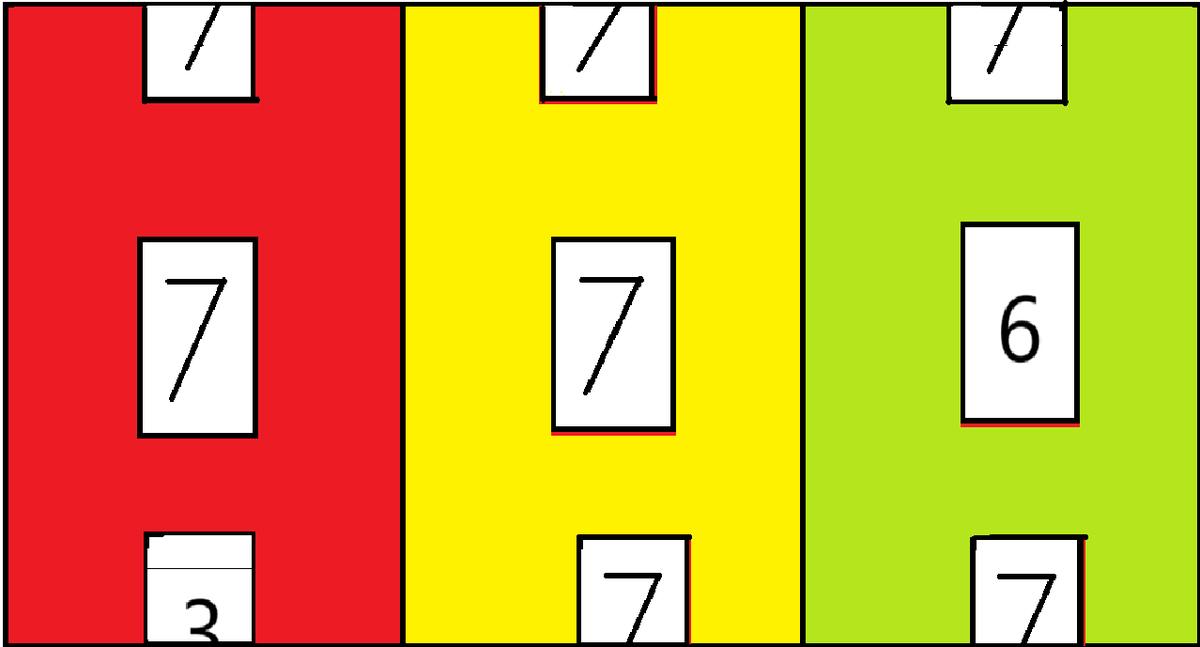
A near miss in betting describes an outcome that looks close to a win but is a loss. On a slot machine, two jackpot symbols land on the payline and the third sits just above it. In sports betting, a five-leg accumulator fails by a single leg. The product frames these events as exciting. They are losses. The house edge is structural and permanent. No number of near misses changes it. The machine does not adjust the next outcome because you were close this time. The bookmaker does not either. Each bet is a fresh roll of probability. The near miss effect is the bias that makes your brain reject that fact.
How Intermittent Reinforcement Locks In the Loop
The near miss effect is one of the most studied phenomena in betting psychology. Research consistently shows that near misses activate the same reward pathways as wins, despite providing no financial reward. This is not an accident of design. It is intermittent reinforcement, the same schedule that makes a pigeon peck a button hundreds of times for an occasional pellet. By delivering losses that look like wins, the product keeps the behavioural loop running. The player feels a surge of motivation. Not a warning to stop.
Why Near Misses Feel Like Wins
Your brain processes a near miss and a win through the same chemical response. That chemical is not just about pleasure. It is a learning and motivation signal. When an outcome is better than expected, it spikes. A near miss is worse than a win but better than a total loss, so the brain still releases it. It marks the event as something to pursue. This mechanism makes loss-chasing feel rational in the moment. The brain has been chemically told to try again. The account balance shows a loss, but the sensory feedback overrides the financial reality. The industry uses the term "loss disguised as win" for slot features that flash winning lights and sounds when the payout is less than the stake.
The Illusion of Control
When a near miss involves a personal choice, like picking a team or stopping the reels manually, the brain assigns skill to the outcome. You feel you almost got it right because of something you did. The outcome was determined by a random number generator or the final score of a match you cannot influence. The product environment is designed to reinforce this illusion. Quick replay buttons, celebratory animations for losses, and the ability to place the same bet again instantly all collapse the gap between thought and action. Second thought never gets a chance.
How the Near Miss Effect Drives the Behavioural Loop
The near miss effect online betting products exploit is not a single event. It is a trigger in a repeating cycle. A near miss occurs. The brain fires. You feel a spike of motivation. The product immediately offers a way to repeat the action. In online slots, the spin button pulses. In sports betting, a popup suggests a wager on the next match starting in two minutes. The speed of this loop is critical. A physical casino forces you to walk to a cash machine. That creates friction. Online, the next bet is one tap away. The loop tightens. The time between trigger and action shrinks toward zero.
This loop runs on intermittent reinforcement, the most habit-forming reward schedule known. You do not know when the next win will come. The near misses create the sensation that wins are frequent and imminent. They are not. The house edge means the math is against you. Over any large number of independent events, the outcome converges on that edge. A hundred near misses in a session do not nudge the probability of the next hundred. They nudge your bankroll downward. They nudge your belief that a win is due upward.
Cognitive Bias in Near Misses and Loss-Chasing
The cognitive bias in near misses is the engine of loss-chasing. Loss-chasing is a predictable behavioural loop, not a personal moral failure. It begins when a loss, including a near miss, creates an uncomfortable emotional state. The brain seeks to resolve that discomfort by recovering the lost money. A near miss amplifies this. It frames the loss as a narrow failure rather than a mathematical certainty. The thought pattern runs: "I was so close, the next one has to hit." The next one does not have to hit. Independence of events means the next bet has exactly the same probability structure as the last one. How many near misses preceded it does not matter.
Loss-chasing accelerates harm fast. A person who starts a session intending to spend a fixed amount can double or triple their losses in minutes by chasing a near miss. The near miss effect is not a harmless quirk of psychology. It is a direct pathway to harm. The financial damage is real. So is the relational and health impact. The shame of chasing losses often prevents people from telling partners or friends what is happening. That silence isolates the person and removes the one thing known to interrupt the cycle: an external voice naming the pattern.
How to Stop Near Miss Thinking by Naming the Pattern
Stopping near miss thinking starts with recognising the thought as a product of the product, not your own intuition. Name the pattern aloud or in writing. Say or write: "That was a loss. I am feeling a chemical spike designed to make me bet again." This creates distance between the feeling and the action. It moves you from experiencing the near miss to observing it. The thought pattern loses power when it is labelled as a cognitive bias rather than a genuine signal.
Enforce a mandatory delay. Online betting platforms are designed to eliminate delay. You must reintroduce it. Close the app or browser tab. Set a timer for fifteen minutes. During that window, do something physical: stand up, walk to another room, splash cold water on your face. The chemical surge from a near miss is sharp but short. The peak passes in under two minutes. The fifteen-minute delay puts a gap between the trigger and the next action. That gap is where the behavioural loop breaks. After the timer, the urge to chase is measurably lower for most people.
Interruption Strategies That Create Distance from the Trigger
A named pattern plus a delay is the first line of defence. The second is to make the loss visible. Online betting platforms obscure losses by design. Transaction histories sit behind menus. Deposits are framed as wallet top-ups rather than spending. Pull up your account deposit history. Look at the net total over the last seven days. This is not about shame. It is about harm recognition. The number cannot be argued with. Write it down. The near miss effect thrives on a feeling. A concrete figure replaces that feeling with fact.
Track Outcomes to Reclassify the Experience
Risk literacy means understanding that randomness has no memory. Practise this by tracking outcomes on paper for a short period. Mark each bet as a win or a loss. No near miss category. A bet that returns less than the stake is a loss. A bet that returns nothing is a loss. After twenty bets, look at the ratio. You will see clustering of losses that the product framed as exciting near misses. This exercise trains the brain to reclassify the experience. The near miss effect weakens when the outcome is consistently recorded as what it is: a deduction from your balance.
Near Miss Psychology and Structural Safeguards
Near miss psychology research shows that cognitive strategies alone are not enough for everyone. The near miss effect operates below conscious reasoning. Structural safeguards create a barrier that works even when insight fails. Self-exclusion is the strongest tool available. A national register like GamStop in Great Britain, Spelpaus in Sweden, or ROFUS in Denmark blocks access to all licensed operators in that jurisdiction. It takes the decision out of the moment of impulse. A cool-off is not the same thing. A short, single-operator pause is easily waited out. It rarely interrupts the behavioural loop. Self-exclusion is a formal, often multi-operator bar that cannot be reversed until the term ends.
Layered Blocking Tools
Blocking software adds a device-level layer. Gamban or BetBlocker prevent access to betting sites and apps across multiple devices. The weakness of any blocker is the in-app browser, non-standard app stores, and new domains that have not yet been listed. No blocker covers everything. Pair a blocker with a payment blocker at the bank level. This closes another route. A payment blocker stops gambling-coded transactions regardless of the site or app used. Ask your bank directly whether they offer this feature and how to activate it. If they do not, ask for it. The combination of national self-exclusion, device blocking software, and a payment blocker covers more routes than any single tool alone.
Who Benefits Most from Understanding the Near Miss Effect
The near miss effect is relevant to anyone who has placed an online bet and felt a surge of motivation after a loss. It is particularly useful for people who notice their betting sessions running longer than intended. If you have ever said "just one more to get back to even" after a narrow loss, the near miss effect is operating. You are not weak or foolish. You are responding exactly as the product is engineered to make you respond. Understanding that mechanism is the first step toward harm recognition.
Partners, parents, and friends can use this knowledge to change how they talk about betting. Instead of saying "you have a problem," which triggers denial, name the specific thought pattern. Say: "It sounds like you are describing a near miss. That feeling of being close is something the product creates to keep you playing. It is not a real signal." This language is non-confrontational. It targets the product, not the person. It also provides a vocabulary for something the person may have felt but could not name. That naming is often the first crack in the illusion of control.
Who Should Look Elsewhere
The near miss effect is not a concept for someone trying to improve their betting strategy. If you are looking for odds comparisons, staking plans, or advice on which operator to choose, this is the wrong subject. Those questions belong on operator-owned or odds-comparison sites. The near miss effect does not help you win. It explains why winning feels closer than it is, and why that feeling is a liability.
People in acute crisis need immediate intervention, not an article on cognitive bias. Contact a local emergency or crisis line first. The National Gambling Helpline in Great Britain, operated by GamCare, is available for free and confidential support. In the United States, the 1-800-GAMBLER network connects to state-specific resources. These services provide trained counsellors. The near miss effect is a concept for understanding and interrupting a pattern. It is not a substitute for crisis care.
More in this guide
Betting Advertising and Probability Claims ExplainedWhy Betting Marketing Shows Wins More Than LossesGuaranteed Profit Claims in Betting Are a Warning Sign.
Common Questions
What exactly is the near miss effect in gambling?
It is a cognitive bias where an outcome that is a loss feels like a win because it was close to a winning result. The brain releases a motivating chemical, the same one involved in actual wins, which creates a powerful urge to keep betting. It is not a signal of skill or an indication that a win is due.
Why does a near miss trigger the same feeling as a win?
The brain's chemical response reacts to outcomes that are better than expected, not just to rewards. A near miss is worse than a win but better than a total loss, so the chemical spikes. This is the mechanism that makes loss-chasing feel rational in the moment, even though the account balance shows a loss.
How can I tell if I am chasing near misses?
You are chasing near misses if a narrow loss produces a strong urge to place another bet immediately. The key sign is the thought "I was so close, the next one has to hit." That thought is the near miss effect at work. The next bet has the same probability as the last one, regardless of how close the previous outcome felt.
What is the difference between a near miss and a loss disguised as a win?
A near miss is an outcome that looks close to a win but pays nothing. A loss disguised as a win is a feature common in online slots where the machine flashes winning lights and sounds but the payout is less than the stake. Both exploit the brain's chemical response to keep you betting despite losing money.
Can I train myself to stop reacting to near misses?
Yes. Name the thought pattern aloud when it happens and enforce a mandatory delay before placing another bet. Write down net losses over a period. This replaces the feeling of almost winning with a concrete financial figure. Over time, the brain can reclassify near misses as the losses they are.
Do blocking tools help with the near miss effect?
Blocking tools help by interrupting the behavioural loop. Self-exclusion, device blocking software like Gamban, and payment blockers at the bank level all create friction between the near miss trigger and the next bet. They work best when combined, because no single tool covers every route to betting.
Is the near miss effect the same in sports betting as in slots?
The mechanism is identical, though the form differs. In slots, near misses are visual, like two jackpot symbols landing with the third just off the payline. In sports betting, a multi-leg accumulator that fails by one leg triggers the same cognitive bias. Both produce the illusion of control and the chemical spike that drives the next bet.