Self Exclusion Explained: Purpose, Coverage, and Limits
Self-exclusion is a formal bar from gambling services. Learn its purpose, coverage, limits, and how it differs from a cool-off.
What Self Exclusion in Gambling Actually Does and Limits
Self-exclusion is a formal request to be barred from all gambling services run by a set of providers for a fixed period, usually one to five years. It creates a hard break between you and every regulated betting route in a jurisdiction. It does not block offshore sites. It does not freeze deposited money. It does not replace blocking software on your devices. Its single job is to make regulated providers refuse your custom for the duration you chose. Partial exclusion, where you bar yourself from one brand but keep accounts open elsewhere, leaves the behavior intact. The durable principle is simple: a ban only works if it covers every route to betting.
Continue with the section overview or a closely related question:
- Support and recovery
- How can families respond to gambling harm?
- How can I rebuild finances after gambling?
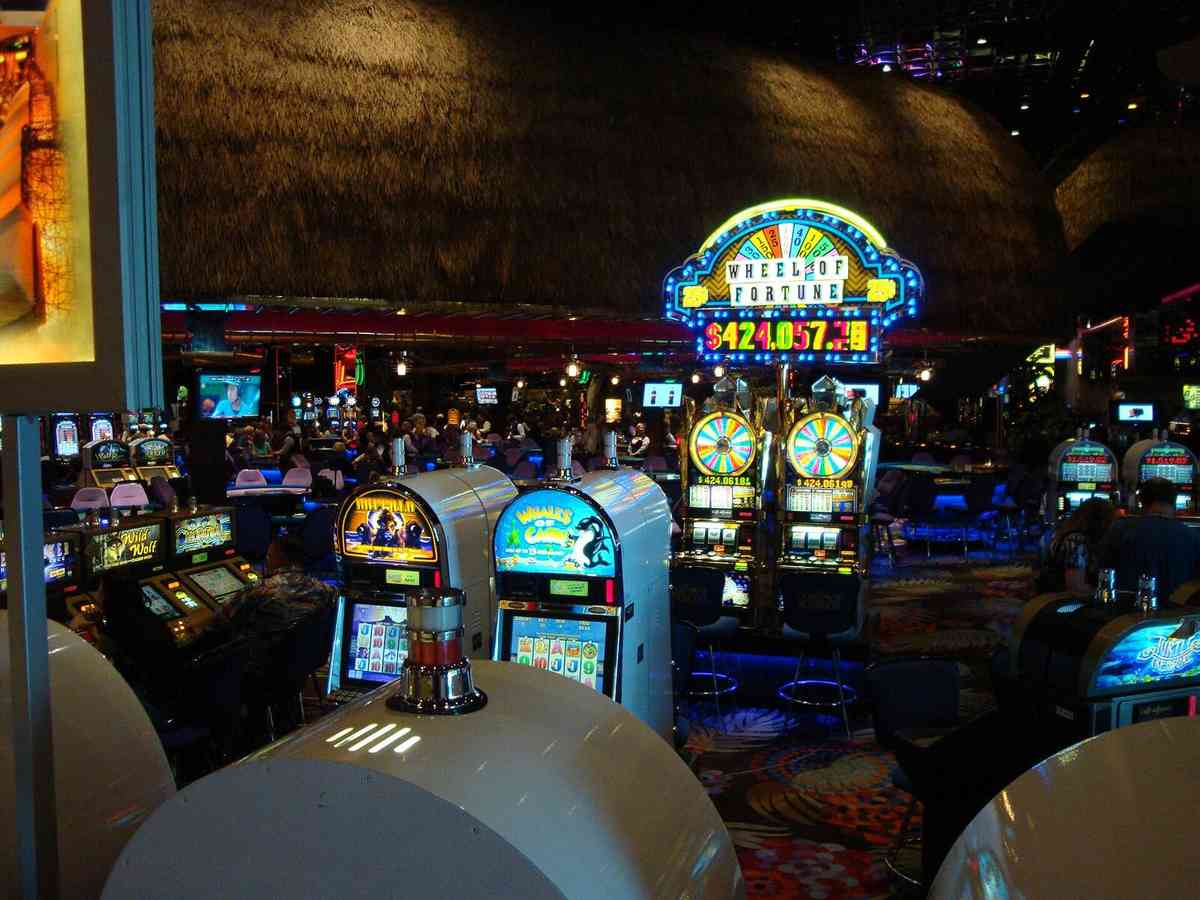
How a Gambling Ban Works
Registration and Activation
You sign up with a scheme and your details are added to a database that regulated providers must check. When you try to log in, deposit or place a bet, the provider’s system compares your identity against the list and blocks access. Activation is not instant. GamStop in Great Britain aims for 24 hours, but propagation across all participating brands can take up to 72 hours. That delay is a window for further losses. A provider that lets you bet during that window has breached its licence condition, not the law. Legal enforceability comes from the regulator, not the police. A breach triggers a regulatory penalty, not a criminal charge.
Coverage and Duration
Coverage is the single most important attribute. A national list covers every provider regulated in that jurisdiction. Spelpaus in Sweden and ROFUS in Denmark do this. GamStop covers providers regulated in Great Britain. None of them cover offshore sites. An offshore provider holds no licence in your jurisdiction and has no obligation to check any list. If you can still reach an unregulated site, the ban is partial. Duration is the second critical attribute. Most national lists offer one-year, two-year and five-year terms. You pick the minimum you can commit to and the maximum you can imagine needing. Choose too short and the ban ends before the impulse pattern changes.
Reversibility and Data Retention
Reversibility is where most tools fail. A cool-off is easily cancelled. A national ban is not. Once the minimum term begins, you cannot shorten it. Some schemes allow a cooling-off period of 24 hours after sign-up where you can withdraw, but after that the ban locks. This irreversibility is the protective feature. The moment of impulse cannot undo a decision made in a clearer state. Data retention is the hidden cost. Lists hold your name, address, date of birth and email for years after the ban ends. Privacy fear keeps some people from signing up. Check the scheme’s data retention policy before you register.
GamStop Explained
GamStop is the national self-exclusion list for Great Britain. It is free and covers every provider regulated by the Gambling Commission. Registration takes about ten minutes online. You provide your name, date of birth, email and residential address. The minimum ban is six months. The maximum is five years. Once the minimum term passes, the ban does not end automatically. You must contact GamStop to lift it, and there is a 24-hour cooling-off period before removal takes effect. This prevents an impulsive reactivation after the five-year mark.
GamStop does not cover providers regulated in other jurisdictions. A site holding a Malta Gaming Authority licence but targeting UK players may not be on the list. Betting shops on the high street are not covered because GamStop is an online tool. Relapse visibility is limited. If you attempt to open a new account with a different email, the provider may catch it if your other details match, but the attempt is not reported to you or a supporter unless the provider files a suspicious activity report. The system is designed to block, not to notify.
Limits and Coverage Gaps
Geographic and Platform Boundaries
Coverage is the ceiling on protection. A national list covers regulated providers in one jurisdiction. Cross a border and the list falls silent. A traveller from Sweden with Spelpaus active can still walk into a casino in Denmark unless they have also registered with ROFUS. Jurisdiction is the boundary line. No global ban list exists. If you move countries, you must register with the scheme in your new jurisdiction. The geographic reach of any single scheme is exactly the nation that runs it.
Platform scope is the second limit. A ban blocks account access, not device access. If you uninstall a gambling app but keep the phone, a new provider can still be reached through a browser. A ban and device-level blocking software solve different problems. Gamban or BetBlocker are the tools that cover the device. A ban covers the account. Neither does the other’s job. Cost to user is zero for national lists. Paid blockers cost a small annual fee, but many treatment providers offer them free.
Relapse Visibility and Disputes
Relapse visibility is almost entirely absent. A ban does not alert a family member when a blocked attempt occurs. Family access to initiate protections is near zero. No national list lets a partner or parent sign someone up without that person’s consent. This leaves families powerless when the person most at risk refuses to register.
Payment disputes are another gap. A ban does not reverse a payment. If a regulated provider took a deposit after the ban should have been active, you can complain to the regulator, but the money is not automatically returned. A chargeback through the card network is a separate process with narrow rules. Most gambling losses are not recoverable through a chargeback because the service was delivered.
Self-Exclusion vs Cool-Off
A ban and a cool-off sit on opposite ends of the protection spectrum. A cool-off is a short break at provider level, usually 24 hours to 30 days. You activate it in your account settings on one site. Coverage is a single brand or provider group. Duration is too short to interrupt a behavioral loop. Reversibility is immediate in most cases, or the break ends automatically and the account reactivates. A cool-off is a pause, not a commitment. Legal enforceability is zero; no regulator penalises a provider for a cool-off breach because it is a voluntary marketing feature, not a regulatory tool.
A ban is a formal bar with regulatory weight. Coverage spans all regulated providers in a jurisdiction when done through a national list. Duration is measured in years, not days. Reversibility is locked after the opt-out window closes. Legal enforceability is high: the regulator can fine or suspend the licence. Activation speed is slower, up to 72 hours, while a cool-off applies in minutes. The failure mode of a cool-off is well documented. A user takes a short break, feels in control and returns with increased intensity, having changed nothing. A cool-off used this way is false control. A ban is the tool for harm interruption. Cool-off is the tool for a night’s sleep.
| Attribute | Self-Exclusion | Cool-Off |
|---|---|---|
| Coverage | All regulated providers in jurisdiction (national list) or one group | Single provider or brand |
| Duration | 6 months to 5 years minimum | 24 hours to 30 days |
| Reversibility | Locked after opt-out window (24-48 hours) | Often immediate or automatic at end |
| Legal enforceability | Regulator can fine or suspend licence | None; voluntary provider feature |
| Activation speed | Up to 72 hours to propagate | Minutes |
| Cost to user | Free | Free |
| Effect on behavior | Interrupts access; forces alternative coping | Pauses access; pattern usually resumes |
What a Ban Cannot Do
A ban does not block offshore providers. An unregulated site has no obligation to check any list. If you know a domain that is not on a blocklist, you can open an account in five minutes. A ban does not freeze your deposited funds. Money left in an account before the ban is still yours, but withdrawal may require identity verification that is harder to complete once the account is barred. Contact the provider’s support before you register to withdraw everything first.
A ban does not stop gambling advertising. You will still see ads on social media, in search results and during sport broadcasts. The list blocks access, not exposure. Triggers remain intact. A ban does not notify your bank or block transactions. A payment blocker is a separate tool, activated through your bank’s app or card settings. Availability varies heavily by bank and country. A ban does not provide support. The list is a database, not a helpline. Pair it with a support pathway. GamCare, the National Council on Problem Gambling and Gambling Therapy offer free, confidential help that a ban cannot.
The single thing that most often goes wrong is partial exclusion. A user bars themselves from one brand, feels safe and continues on another. The behavior finds the open door. Before you register, list every provider you have an account with. Check whether your national list covers them all. If the answer is no, add blocking software and a payment blocker. One tool is a line of defence. Three tools overlapping is a system.
National Registers Beyond the UK
Spelpaus is Sweden’s national ban list, run by Spelinspektionen. It covers all providers regulated in Sweden. Registration is online using BankID. The minimum exclusion is one month. The maximum is indefinite. Once set, it cannot be lifted before the chosen period ends. ROFUS is Denmark’s equivalent, managed by the Danish Gambling Authority. You register with NemID. Exclusion periods range from 24 hours to permanent. Both lists are binding on regulated providers and carry regulatory weight. Neither covers unregulated sites. If you travel, the protection stops at the border.
The United States has no single national list. Self-exclusion is state by state. Some states offer multi-provider casino exclusion programs. The National Council on Problem Gambling runs the 1-800-GAMBLER helpline network, which can direct you to state-specific options. Australia has a national list under development. Current protections are state based and vary. In every jurisdiction, the rule is the same: check what is covered before you rely on it. A ban that misses your most-used provider is not a ban.
Who a Ban Suits and Who It Does Not
A ban suits a person who has recognised a pattern of harm and wants a hard barrier between themselves and regulated providers for a fixed period. It works for someone who can accept the irreversibility and who pairs the list with device blocking and a payment blocker. It suits a partner or parent who can support the registration process, even though they cannot initiate it. It suits a person who has tried cool-offs and found them too easy to wait out.
A ban does not suit someone who believes one exclusion covers everything without checking. It does not suit a person who is not ready to close every account. It does not suit someone searching for a way to recover deposited funds or reverse a block. It does not suit a person in acute crisis who needs immediate intervention. That person should contact a crisis line first. A ban is a structural tool, not a rescue service. The single hardest truth is that partial coverage leaves the behavior intact. If you can still bet, you will.
More in this guide
Gambling Support and Recovery Options Without JudgmentOnline Betting Safety Guide: Recognising Harm and Protecting YourselfBuilding a Gambling Relapse Plan: Triggers, Barriers, Contacts.
Common Questions
Does GamStop cover betting shops on the high street?
No. GamStop is an online self-exclusion list for providers regulated in Great Britain. Physical betting shops require a separate in-shop agreement. Contact the shop directly or the Gambling Commission for the multi-provider in-person scheme.
Can I cancel a ban before the minimum term ends?
No. Once the initial opt-out window closes, usually 24 to 48 hours after registration, the ban locks for the minimum term. You cannot shorten it. This irreversibility is the design feature that protects you at the moment of impulse.
Will a ban affect my credit score?
A ban list does not report to credit agencies. The data is held by the scheme and used only for access control by regulated gambling providers. It does not appear on a credit file or affect lending decisions.
What happens if a provider lets me bet after I have barred myself?
The provider has breached its licence condition. Report it to the regulator, such as the Gambling Commission in Great Britain. The regulator can fine or suspend the provider. Your money is not automatically returned. A separate chargeback claim may be possible through your bank under narrow card-network rules.