Guides
Every section we cover, with the explainers that go with it.
Advertising and probability
Model
-
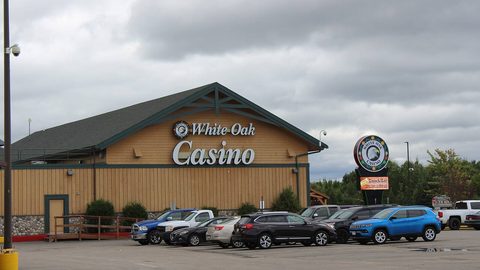 Can anyone guarantee a betting profit?
No one can guarantee a betting profit. The house edge is structural, and profit guarantees are a warning sign of a scam.
-
 How do bonuses encourage more gambling?
Betting bonuses use wagering requirements, expiry pressure, and withdrawal holds to encourage more gambling, not to give value.
-
 What does random mean in gambling?
Randomness in gambling means each event is independent. Streaks feel meaningful but do not change future probabilities.
-
 Why are betting wins shown more than losses?
Betting ads show wins more than losses because of selection bias and testimonial framing, not because winning is common.
-
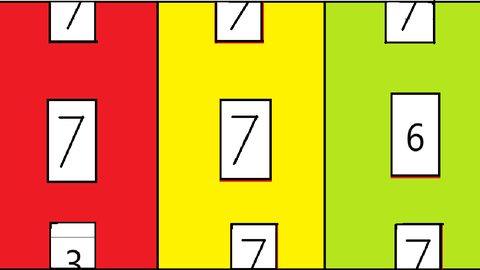 Why do near misses feel persuasive?
A near miss in betting is a cognitive event that feels like a win but is a loss. Learn the mechanism and how to interrupt it.
Protect money and accounts
Model
-
 How do I secure an account after a scam?
Prioritize passwords, MFA, active sessions, and third-party app permissions to secure a betting account after a suspected scam.
-
 How do I stop gambling payments?
Bank-level gambling payment blockers can stop transactions, but availability varies. Learn how to activate them and what they do not cover.
-
 How should scam evidence be saved?
Preserve messages, transaction IDs, and domain details with metadata to build a defensible record after a betting scam.
-
 Should I pay a fee to release winnings?
A request to pay a fee to release betting winnings is a classic advance-fee fraud. Preserve evidence and report it instead of paying.
-
 What if I shared identity documents?
If you shared identity documents with a betting site, monitor accounts, report officially, and consider a credit freeze. Learn the steps.
Recognise gambling harm
Model
-
 Can online betting become addictive?
Explore the risk mechanisms that can make online betting addictive, explained with health evidence and without clinical diagnosis or blame.
-
 How can I assess my gambling honestly?
Use reflective questions to assess your gambling honestly, without a diagnostic score, and find support routes if you are concerned.
-
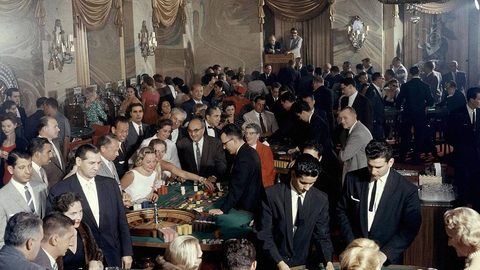 How does gambling affect sleep and stress?
Learn how gambling affects sleep and stress, the common symptoms, and when to seek professional care, based on health evidence.
-
 What are signs of gambling harm?
Learn the financial, emotional, behavioural and relationship signs of gambling harm, based on health evidence and without diagnosis or blame.
-
 What is chasing losses?
Understand the loss-chasing cycle in gambling, why it is predictable, and the safer interruption steps to break the loop without shame.
Scams and warning signs
Model
-
 Are betting tips groups scams?
Betting tips groups often use fabricated records, guaranteed-win language, and paid escalation. Learn the scam mechanisms and warnings.
-
 How can I spot a cloned betting website?
Cloned betting websites copy licensed branding but use different domains and payment routes. Learn defensive checks before depositing.
-
 How do fake betting sites work?
Fake betting sites mimic licensed operators to collect deposits and data, then block withdrawals. Learn the scam lifecycle and warning signs.
-
 What are common withdrawal scams?
Withdrawal scams use invented fees, verification loops, and pressure to trap winnings. Learn the patterns and defensive steps.
-
 What should I do after a betting scam?
After a betting scam, contact your bank first, preserve evidence, change passwords, and report to the official regulator. Learn the steps.
Support and recovery
Model
-
 How can families respond to gambling harm?
How families can respond to gambling harm with boundaries, financial safety, and non-confrontational support. Learn observable signs.
-
 How can I rebuild finances after gambling?
Start financial recovery after gambling with safety and qualified debt support. Learn about payment blockers and debt help routes.
-
 How do I ask for help with gambling?
A small, concrete plan for asking for help with gambling. Learn what to say, what to expect, and how to manage shame.
-
 What is self-exclusion?
Self-exclusion is a formal bar from gambling services. Learn its purpose, coverage, limits, and how it differs from a cool-off.
-
 What should a gambling relapse plan include?
A gambling relapse plan names triggers, barriers, contacts, and emergency steps. Learn how to build one and why lapse differs from relapse.